
by Enoch Mwathwa
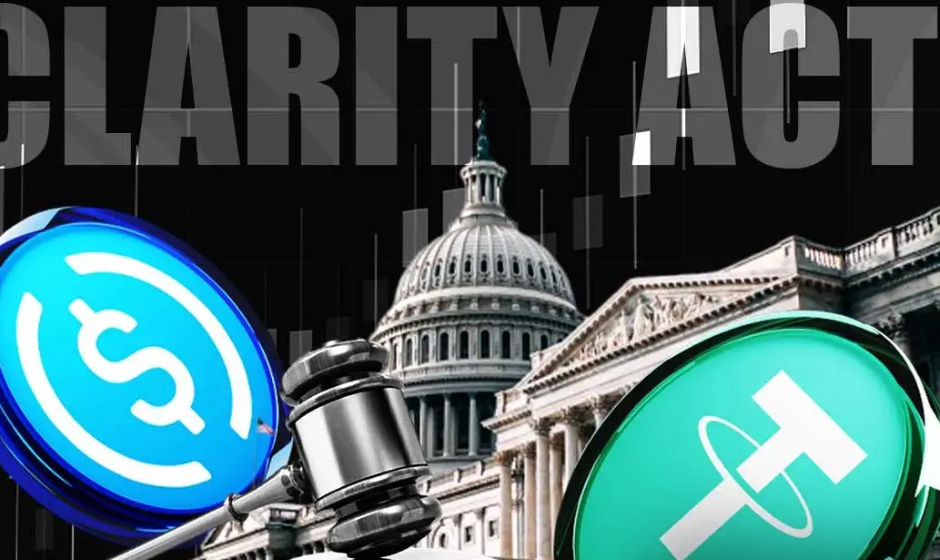
Tensions between the banking sector and crypto stakeholders have sharpened as debate over stablecoin regulation returns to the Senate floor. The American Bankers Association (ABA) has pushed back against a recent White House report on stablecoin yields, arguing that policymakers risk overlooking real financial stability concerns. With momentum building around the CLARITY Act, the disagreement highlights a deeper divide over how digital assets should coexist with traditional banking.
ABA Criticizes White House Study On CLARITY Act
In a press release, the American Bankers Association has taken direct aim at the White House study conducted by the Council of Economic Advisers, arguing that it asks the wrong policy question. Instead of focusing on whether banning stablecoin yields would affect bank lending, the ABA insists policymakers should examine the consequences of allowing yield-bearing stablecoins to expand rapidly. According to the group, this framing misses the core issue facing regulators today.
The White House report concluded that banning stablecoin yields would have minimal impact on bank lending and suggested that the risk of deposit flight remains limited. However, the ABA rejects this conclusion, warning that such findings create a false sense of security. By centering the analysis on the effects of a prohibition, the report avoids addressing the more pressing scenario: what happens if stablecoins offering returns attract significant user adoption.
The Key Omission in the White House Analysis
The ABA argues that the White House report fails to address what happens at the bank level when deposits begin to shift into yield-paying stablecoins. The study, according to the group, overlooks the operational strain that such outflows place on smaller financial institutions. This gap weakens the report’s usefulness for policymakers who need a complete view of potential risks.
When community banks lose deposits, they must replace that funding quickly through higher-cost sources such as wholesale borrowing or capital markets. At the same time, banks raise interest rates on deposits to retain customers, which increases pressure on their balance sheets and reduces their ability to lend effectively.
Senate Returns to CLARITY Act Debate
Lawmakers have now returned from recess with renewed focus on the CLARITY Act, placing stablecoin regulation back on the legislative agenda. The bill’s progress depends heavily on resolving disagreements over whether stablecoins should offer yields, a point that continues to divide banks and crypto firms.
Senate Banking Committee Chair Tim Scott has yet to announce a markup date, but expectations point to movement before the end of the month. Negotiations continue behind the scenes as both sides push to influence the final language, with the outcome set to shape the direction of stablecoin regulation in the United States.
#blockchain #crypto, #decentralized, #distributed, #ledger